


Western Shore vs Eastern Shore: Where Should You Buy?

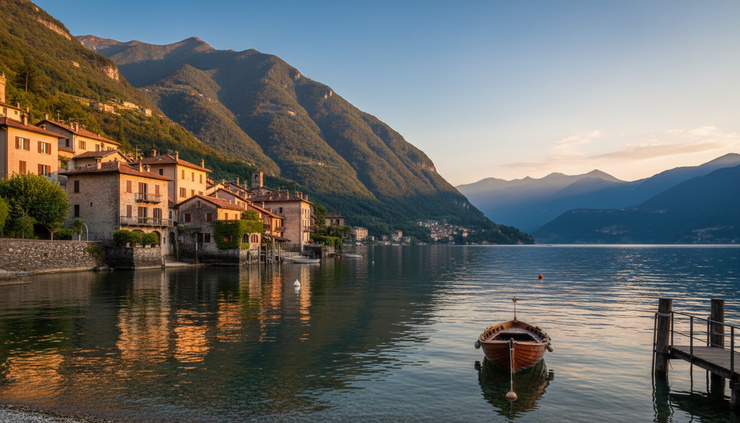
Lake Como looks small on a map until the house search starts. Then every bend in the road matters. A village that seems “just across the lake” can be a quick ferry ride in summer, a long drive in winter, or a completely different lifestyle day to day.
For homebuyers, the Western Shore and Eastern Shore each have a clear personality. The Western Shore is often the classic postcard version of Lake Como, with historic villas, polished lakefront towns, and easier access to Como, Milan, and the Swiss border. The Eastern Shore tends to feel more local, active, and practical, with train links, mountain trails, and generally better value in many towns.
This guide compares both sides across the things that actually affect life after the keys are in your hand: costs, amenities, community feel, outdoor access, and market trends. It’s general information, not financial advice, but it should give a useful starting point for deciding where to buy lake como property with confidence.
The quick answer for buyers
If the priority is prestige, classic lakefront scenery, and access to Como, Milan, or Switzerland, the Western Shore usually has the edge.
If the priority is value, train access, a more lived-in feel, and mountain activities, the Eastern Shore can be the smarter fit.
That’s the short version. The better choice comes down to how the property will be used.
A full-time home, a holiday apartment, and a rental-friendly lock-up-and-leave flat all point to different towns. A buyer who wants cafés, ferries, and smart restaurants nearby may feel at home on the western side. Someone who wants hiking boots by the door and a train station within walking distance may lean east.
How the two shores differ at a glance
Western Shore
Classic Lake Como atmosphere, famous lakefront towns, polished amenities, strong international demand, often higher prices.
Eastern Shore
More practical transport by rail, a local feel in many towns, strong access to mountains and water sports, often better entry prices.
The Western Shore includes popular areas such as Como, Cernobbio, Moltrasio, Laglio, Tremezzina, and Menaggio. It has some of the lake’s most recognisable views and a long history of grand villas and waterside estates.
The Eastern Shore includes Lecco, Mandello del Lario, Varenna, Bellano, Dervio, and Colico. It has a stronger everyday feel in many places, with rail connections along the shore and quick access to the Grigne mountains.
Neither side is “better” in every way. They suit different versions of lake life.
Cost of living and property prices
The Western Shore is usually the more expensive side, especially in prime lakefront locations. Como and Cernobbio are among the most convenient and sought-after areas because they sit close to Milan, motorway links, and the Swiss border. Further up the shore, towns such as Tremezzina and Menaggio also draw strong interest because of the views, ferry links, and holiday appeal.
That demand shows up in property prices. Homes with lake views, parking, outdoor space, and easy access to the water can command a clear premium. Historic properties also often come with higher upkeep costs, especially if they need restoration, specialist materials, or careful permissions.
The Eastern Shore can offer more reachable prices, especially away from headline locations. Varenna is a major exception because it’s one of the lake’s best-known villages and has direct rail access. But towns such as Mandello del Lario, Bellano, Dervio, and Colico can feel more approachable for buyers who want space, views, or a practical base without paying the highest western-side prices.
Day-to-day costs follow a similar pattern. Groceries and household basics don’t change dramatically from shore to shore, but highly visited towns tend to bring tourist pricing for dining, parking, and services. In quieter eastern towns, it can be easier to live more like a local, especially outside the main summer season.
Western Shore cost pros
Strong resale appeal in established prime areas
More prestige in lakefront and historic-villa markets
Better fit for buyers seeking rare high-end homes
Western Shore cost cons
Higher entry prices in the best-known towns
Parking, renovation, and maintenance can be costly
Lake-view homes face strong competition
Eastern Shore cost pros
Better value in many towns outside the most famous spots
More options for practical apartments and family homes
Good chance of finding space near train links or trails
Eastern Shore cost cons
Prime villages can still be expensive
Some cheaper homes may need work
Resale appeal varies more by town and exact location

Local amenities and transport
This is where the decision gets very practical.
The Western Shore has excellent amenities in and around Como. There are shops, restaurants, schools, medical services, and year-round cultural life. Cernobbio and nearby villages add a refined, residential feel while keeping buyers close to the city. For anyone who needs to travel often to Milan, Switzerland, or airports, the lower Western Shore is hard to beat.
Further north on the western side, amenities become more seasonal. Tremezzina and Menaggio offer plenty in spring and summer, but some services slow down in winter. That doesn’t make them poor choices. It just means buyers should check what stays open in January, not only what looks lively in July.
The Eastern Shore has one major practical advantage: rail access. Towns along the eastern side connect into Lecco and onward to larger cities. For many buyers, that makes daily life easier. A home near a station can work well for weekend use, commuting, or guests who don’t want to rent a car.
Lecco itself is the most urban choice on the eastern side. It offers shops, schools, healthcare, restaurants, and a real working-town rhythm. Mandello del Lario and Bellano feel smaller but still practical. Varenna is beautiful and connected, though more visitor-focused.
Roads matter too. Lake roads can be narrow, busy, and slow in peak season. On both shores, a home that is “10 minutes away” in quiet months may feel very different on a summer weekend.
If buying without planning to use a car regularly, the Eastern Shore often deserves extra attention. If driving to Como, Milan, or Switzerland is central to the plan, the lower Western Shore may make more sense.
Community vibe and year-round life
The Western Shore often feels polished and international. In prime towns, there’s a strong second-home market, so the mood can change by season. Summer brings energy, visitors, boats, terrace dining, and a full calendar. Winter is quieter, which many owners love, but it can feel sleepy in smaller villages.
The community feel depends heavily on the town. Como is active all year. Cernobbio and Moltrasio feel residential and well-kept. Menaggio has a friendly, open feel and good ferry links. Some tiny lakeside villages are beautiful but less practical for daily life unless the buyer is comfortable with steps, limited parking, and fewer local services.
The Eastern Shore tends to feel more grounded. Lecco is a proper town with people going about normal daily routines. Mandello, Bellano, Dervio, and Colico have a mix of residents, holiday homeowners, walkers, cyclists, and sailors. There’s still tourism, especially in Varenna, but many eastern towns keep a stronger local rhythm outside summer.
For buyers planning to live at Lake Como full-time, this matters a lot. A dream balcony view won’t make up for feeling isolated in February. A useful test is simple: visit the same town in high season and off season. Have coffee, shop for groceries, check public transport, and walk home after dark. The right place usually makes itself clear.
Access to nature and outdoor activities
Both shores are beautiful, so the real question is what kind of outdoor life fits best.
The Western Shore gives quick access to classic lake experiences. Think boat trips, elegant waterfront walks, garden visits, swimming spots, and ferry-hopping between famous towns. The central lake area around Tremezzina, Menaggio, Bellagio, and Varenna is especially strong for buyers who want the postcard Lake Como lifestyle.
The hills above the western side also offer walking routes and sweeping viewpoints. Homes set above the lake often give wider views and more peace, though they may require a car and winter driving confidence.
The Eastern Shore is especially strong for mountain access. The area around Lecco and Mandello sits close to dramatic peaks, climbing routes, hiking trails, and cycling roads. Further north, Dervio and Colico are popular for sailing, wind sports, and wide lake views. The eastern side can feel a bit more rugged, in the best way.
If the ideal weekend starts with a cappuccino, a ferry ride, and a gentle lakeside lunch, the Western Shore might win. If it starts with a trail, a swim, or a bike ride, the Eastern Shore has a lot going for it.

Real estate market trends to watch
Lake Como has long attracted Italian and international buyers. Limited waterfront land, historic housing stock, and global recognition keep demand steady in the most desirable areas. That said, the market isn’t the same everywhere.
On the Western Shore, demand is strongest for:
Lakefront villas
Renovated apartments with views
Homes with parking and outdoor space
Properties close to Como or ferry connections
Historic homes with character and modern comforts
Supply is naturally limited, especially for homes directly on the water. That can support prices, but it also means buyers need patience. A property may look perfect online, then turn out to sit above a noisy road, lack parking, or need major work.
On the Eastern Shore, demand is growing for practical, connected homes. Train access is a big advantage, especially for buyers who want easier travel without relying on a car. Towns with year-round services and outdoor appeal are getting more attention from people who want a home they can actually use often.
The eastern side may also appeal to buyers who want better value and are willing to look beyond the most famous names. A well-located flat in a less glamorous town can be more useful than a scenic but awkward house with difficult access.
Before making an offer, check these basics:
How easy is parking in August?
Is the property usable in winter?
Are shops and restaurants open year-round?
How long does it take to reach a station, ferry, or main road?
Are there steep steps between the home and everyday services?
What common charges apply if it’s an apartment?
Will renovation need local permissions?
These details sound boring, but they often decide whether a Lake Como home becomes a joy or a chore.
Pros and cons of the Western Shore
Pros
Classic Lake Como setting
Strong prestige and resale appeal
Good access to Como, Milan, and Switzerland from the lower shore
Excellent choice of restaurants, villas, gardens, and ferry routes
Strong fit for high-end homes and holiday properties
Cons
Higher prices in prime areas
Summer traffic can be frustrating
Parking can be limited in older villages
Some towns feel quiet off season
Renovation and upkeep may cost more than expected
The Western Shore suits buyers who want the traditional Lake Como experience and are comfortable paying more for location, polish, and recognition. It’s especially strong for those who value convenience to Como or want a property with strong long-term appeal in a well-known area.
Pros and cons of the Eastern Shore
Pros
Often better value than the most popular western towns
Train access along much of the shore
Strong year-round feel in towns such as Lecco and Mandello
Excellent hiking, cycling, sailing, and wind sports
Good fit for practical homes and regular weekend use
Cons
Some areas feel less glamorous
Prime villages such as Varenna can still be costly
Road and rail noise can affect certain properties
Fewer grand lakefront villas than the western side
Resale appeal can vary more between towns
The Eastern Shore suits buyers who want Lake Como without feeling locked into the most expensive pockets. It’s a good match for active lifestyles, frequent visits, and buyers who care about transport as much as the view.
Which shore is better for different buyer types
For a full-time move
Look closely at Como, Cernobbio, Lecco, Mandello, and larger towns with real services. The Eastern Shore may feel easier if rail access matters. The lower Western Shore may work better if cross-border travel or city access is important.
For a holiday home
The Western Shore is hard to beat for classic appeal, ferry routes, restaurants, and scenery. Central lake towns are popular for a reason. Still, the Eastern Shore can offer easier arrivals by train and less pressure on budget.
For buyers focused on value
Start east, especially in towns beyond the most famous villages. Also look slightly above the lake on both shores, where views can be excellent and prices may be more forgiving than direct waterfront homes.
For a high-end villa search
The Western Shore has the stronger reputation and more established luxury market. Lakefront privacy, gardens, boat access, and historic architecture are more closely associated with this side.
For outdoor living
Choose based on the activity. Gentle lake life and ferry trips lean west. Hiking, climbing, cycling, and wind sports lean east.

FAQ
Is the Western Shore more expensive than the Eastern Shore?
In many cases, yes. The Western Shore has several of Lake Como’s most prestigious towns, and demand for lakefront or lake-view homes is strong. The Eastern Shore often offers better value, though famous places such as Varenna can still be expensive.
Is the Eastern Shore better if I won’t have a car?
Often, yes. The Eastern Shore has rail connections along much of the lake, which can make arrivals, commuting, and guest visits easier. Still, always check the walk from the station to the property because steep streets and steps can change the experience.
Which side is better for rental appeal?
Both can work, but for different reasons. The Western Shore has strong name recognition and classic holiday appeal. The Eastern Shore can attract guests who value train access, hiking, and lower-key towns. Local rules, building rules, and seasonality should be checked before buying.
Where should I start if I want to buy Lake Como property?
Start with lifestyle, not listings. Decide whether transport, views, budget, outdoor space, or year-round services matter most. Then compare towns on both shores before narrowing the search. If you’re ready to look at current options, browse Lake Como real estate listings.
Which shore has better year-round living?
Larger towns usually win, no matter the shore. Como and Lecco offer the strongest year-round services. Smaller villages can be wonderful, but buyers should visit outside summer to see what daily life is really like.
The takeaway
The Western Shore is the safer emotional choice for many buyers. It has the famous views, elegant towns, and long-standing prestige that make Lake Como what it is in the public imagination.
The Eastern Shore is often the smarter practical choice. It gives better rail access, strong outdoor living, and more value in many areas, especially for buyers who plan to use the home often rather than only in peak summer.
The best answer isn’t one shore over the other. It’s the town, street, building, and daily routine that fit the way the home will actually be used. Visit in different seasons, test the transport, check the walk to shops, and don’t fall for the view until the practical details also make sense.

Comments